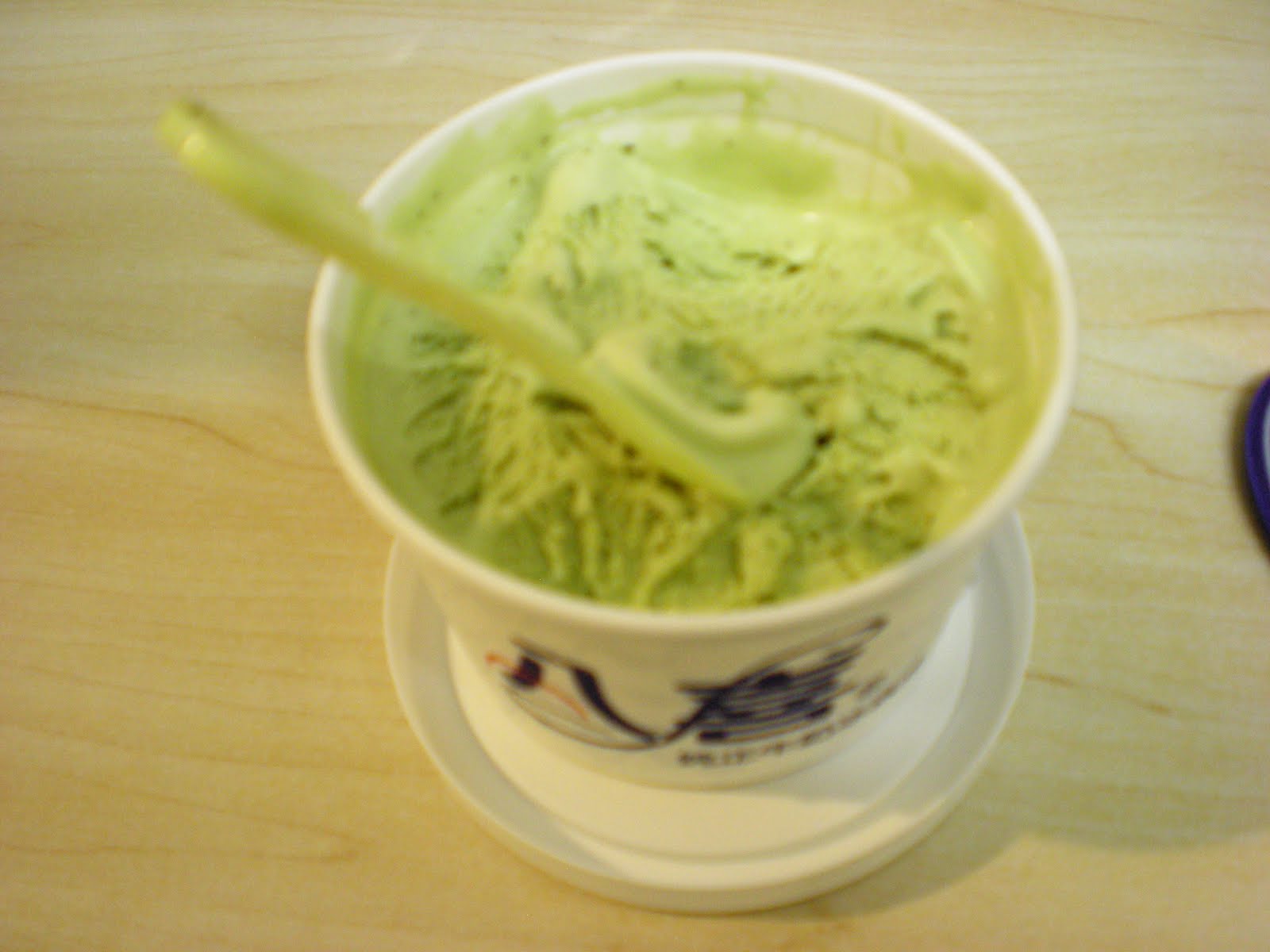
For those readers who didn’t know, Dynastea is actually coming to you from a great tea-hub of the world! At least, for now. This summer I’ve been interning at Tsinghua University in Beijing and, as you might guess, it’s practically impossible to spend such a lengthy amount of time in China without consuming green tea (or “matcha”—a sweeter Japanese powder tea used as a flavoring) in some form or other. Having always been a masala chai or English Breakfast person myself, I don’t usually find the lighter flavors of the green variety to be my cup of tea. I find black teas to be stronger, more flavorful, and more full-bodied—there’s a reason they are the most consumed type of tea in the world! Still, there’s a unique taste to green teas that I’ve missed by shunning them so long. And, more importantly, they seem to suit a particular tea-induced mood niche. So what’s the difference between black and green tea anyway?
Most people seem to distinguish teas by color—a concept thought to originate from the British. According to this system, black teas are simply the ones that turn the water a dark color, green teas turn it green, and so on for red and white teas. This method of classification, while intuitive and sometimes accurately descriptive, is rather misleading; there are plenty of teas that turn your water “in between” colors, and how can one really distinguish between a dark brown and a black anyway? The correct distinction between types of tea is by the processing of the tea leaves themselves. To lump all black teas together would be sort of a crime (and the same goes for green teas), but I’ll do it here for the sake of comparison. Black teas are oxidized or baked fully, leading to the break down of their chlorophyll, while green teas have much of their chlorophyll content left during processing, though the leaves are still usually dried. This lack of fermentation leads to a much leafier taste, and one that can last through a surprising number of brewings. Unlike black tea, a few leaves of this stuff can go a long way at the right temperature of water.
At first sip, green teas seem to be well suited to contemplation or even conversation. You don’t need much to keep your cup going strong and it’s surprisingly easy to slip into chatter when you’re filling someone else’s cup—seriously, those things are tiny. Okay, obvious. Still, there’s something else that distinguishes green tea from its more oxidized counterparts. Take masala chai, for example. Hot, sweet, even pungent, and as a tea usually had with spicy food, it’s not uncommon for the combined effect of drink and dish to be a little too much for people. I’ve previously criticized green tea for its lack of strength or spice but this actually works to its favor here; it isn’t overwhelming when consumed with a meal. A great example is the tea (pictured at the top) I tried at a Japanese restaurant on Chengfu Lu in the Wudaokou district. It was served with the food and it went well with it.
 |
| Green tea popsicle with a red bean filling. |
 |
| Green tea ice cream. Straight up. |
What has particularly appealed to me about green tea here in the Central Kingdom is its prevalence in a number of different food areas. I’ve had green tea ice cream, a matcha milkshake, and even green tea bread! True, you might find some of these things back in the States, but the main reason to try matcha and other green teas in China is that they naturally complement Asian flavors. Both my milkshake and my bread had red beans in them, and while the beans were surprising to find at first, they do taste really good with the tea flavor. And it hardly needs saying, but a steaming cup of green tea (or several) goes well with a table full of Chinese or even Japanese food—the authentic stuff!